
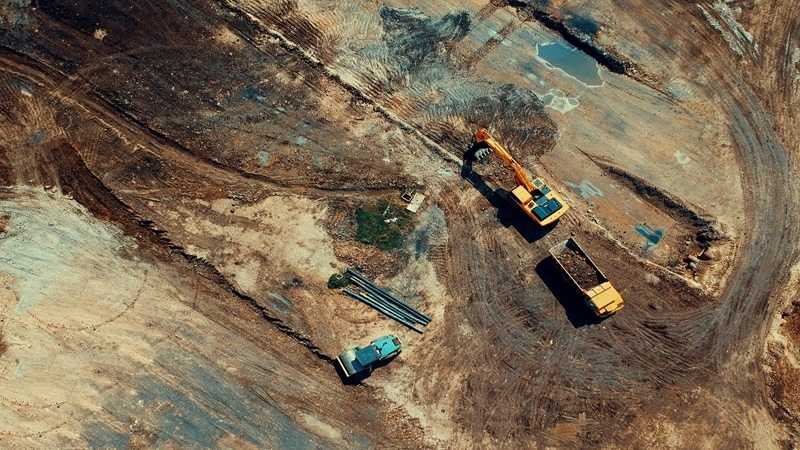
Many construction projects face trouble before work even begins. Schedules slip. Costs rise. Crews wait on fixes that should have been handled early. In most cases, the problem traces back to poor site preparation. People often think preparation means clearing land and bringing in equipment. That is only a small part of it. Real preparation starts much earlier and involves careful planning, review, and coordination. When these early steps get rushed or skipped, small issues turn into major delays later. Understanding what truly goes into preparing a construction site helps owners, builders, and contractors avoid those setbacks and move into construction with fewer surprises and better control.
Defining the full project scope early
Every site needs a clear plan before any field work starts. This means understanding how the land will be used, what will be built, and how long the project should last. Site preparation depends on the size of the structure, its purpose, and future needs. A warehouse, for example, requires different access and grading than a retail space. When teams skip this step, they often prepare the site for the wrong needs. That leads to redesigns and extra work. Clear scope review helps everyone agree on priorities and prevents changes once the site work is underway.
Getting accurate land survey data
Accurate data guides every step of site preparation. Surveys confirm boundaries, elevations, and layout points. Without this information, crews risk placing work in the wrong location. Errors at this stage can affect foundations, utilities, and access roads. Working with the best surveying companieshelps ensure the data supports real-world conditions, not assumptions. Reliable survey work reduces guesswork and limits corrections once grading and layout begin. This step protects both the schedule and the budget.
Knowing the rules before work begins
Local rules shape how a site can be prepared. Zoning laws control building placement. City codes affect grading and drainage. Easements limit where work can happen. Many delays start when teams discover restrictions too late. Reviewing permits and approvals early saves time and avoids costly pauses. It also prevents work that must later be removed or changed. When teams understand the rules from the start, site preparation moves forward without unnecessary stops.
Locating utilities before clearing begins
Many sites hide utilities below the surface. Water lines, power cables, and communication lines can sit just below grade. Striking one can stop work and create safety risks. Utility locating helps crews plan clearing and excavation safely. It also helps coordinate with service providers before work starts. When teams identify utilities early, they avoid damage and downtime. This step may not seem visible, but it plays a key role in keeping preparation work on track and crews safe.
Clearing the site without causing new problems
Site clearing must follow a plan. Crews remove vegetation, debris, and unwanted structures, but they do not strip the land without purpose. Some trees may protect drainage patterns or nearby properties. Roots and organic material must be removed where building or paving will occur. Improper clearing can weaken soil and create erosion. Managing debris also matters. Material must be hauled away or reused in approved areas. Clean, controlled clearing prepares the ground while protecting the rest of the site.
Grading the land to control water flow
Grading shapes the land so it works with the design. Crews adjust slopes to move water away from buildings, roads, and work zones. Poor grading leads to ponding, mud, and unstable soil. It can also cause runoff issues beyond the site. Good grading balances cut and fill while maintaining proper drainage paths. This step requires careful measurements and field checks. When grading gets done correctly, the site stays workable in different weather and supports long-term stability.
Understanding soil conditions before foundations
Soil supports everything that follows. Some soils compact well and hold weight. Others shift or lose strength when wet. Soil testing helps teams understand these conditions before heavy work begins. Test results guide decisions on compaction levels, fill material, and foundation type. Ignoring soil behavior can lead to settling, cracks, or uneven surfaces. Addressing soil limits early reduces risk and prevents costly repairs after construction starts.
Planning safe access for people and equipment
A site must allow safe movement from day one. Crews need clear routes for trucks, machinery, and daily traffic. Temporary access roads often support heavy loads before final paving. These paths must stay stable and well-drained. Safety measures also matter. Fencing, signs, and controlled entry points protect workers and the public. Poor access planning causes congestion and raises safety risks. Clear access keeps work moving and reduces confusion on busy sites.
Verifying readiness before construction begins
Before construction starts, teams confirm that the site matches the plans. They check elevations, layout points, and boundaries. They review drainage, access routes, and safety controls. This final review catches small issues that could stop work later. Fixes are faster and cheaper at this stage. When the site passes these checks, crews can begin construction without hesitation or delay.
Preparing a construction site requires careful attention at every stage. Each step affects the next one. Skipping or rushing early work often leads to delays and added cost later. When teams take time to plan, verify, and prepare properly, the site supports the project instead of creating problems. Good site preparation improves safety, protects schedules, and sets a strong foundation for everything that follows.