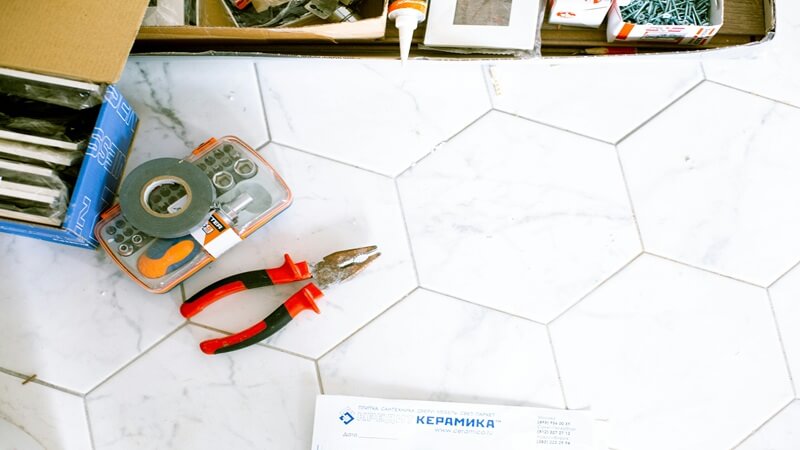
How many homes in your Florida neighborhood still have popcorn ceilings, dusty sunrooms, or tile patterns that could startle a raccoon? For a place that gets battered by storms and flooded by humidity, it’s surprising how often houses here freeze in time. Maybe it’s the heat. Maybe it’s the sheer expense. But if you’ve been thinking of updating your home, you’re not alone. In this blog, we will share how to update your home the right way—without wasting time or money.
Where People Start, and Where They Shouldn’t
Most homeowners approach updates like it’s a kitchen-themed episode of a dating show—big splashy countertops, open shelving, maybe a wine fridge to suggest class. Meanwhile, the roof leaks, and the wiring buzzes like it’s trying to warn you of something. Priorities slide. People want what looks good on Instagram, not what keeps the structure sound. That’s the first mistake. A granite island doesn’t matter if the plumbing underneath it groans every time someone flushes.
Before you knock down any walls, start with infrastructure. Electrical, HVAC, insulation, windows that close properly—those are the bones. If your AC unit still runs on parts they don’t make anymore, that comes before hardwood floors. Every update sits on a foundation, and if that foundation is rotting or outdated, your remodel becomes a staged set: pretty, but fragile.
But once that base is solid, move forward with the changes that improve how you live in the space. Take bathrooms. They’ve gone from utilitarian to aspirational. In fact, the Orlando bathroom remodel market is booming, not because people want spa days at home, but because they’re realizing that function and comfort matter more than Pinterest drama. A good remodel doesn’t just tile a wall; it addresses moisture control, storage, lighting, and actual usability. There’s nothing luxurious about a new vanity if the space still feels like a cramped hotel bathroom.
Stop Following Trends That Don’t Make Sense for You
Right now, minimalism is the design gospel. Clean lines, nothing on the counters, a color palette so neutral it might not even be visible to the human eye. It photographs well. But in reality? Most families don’t live in beige silence. They need drawers. They need clutter zones. They need furniture that can take a hit from a toddler or survive a clumsy uncle falling asleep on it during Thanksgiving.
The trap is believing your house has to look like a showroom. Trends get recycled, but you’re the one who has to live in the result. Think of all the gray interiors from a few years ago—charcoal walls, steel-colored couches, monochrome like a DMV waiting room. It looked sleek for ten minutes, then everyone realized it felt like living inside a cold storage facility. Now people are scrambling to repaint.
Even green upgrades can be trendy traps. Solar panels? Smart thermostats? Sure, they help with energy use, but only if your home is already efficient. Slapping tech on a leaky home is like putting Bluetooth speakers in a canoe. Fix your insulation first. Check your ductwork. A smart thermostat won’t save you if your HVAC system loses half its air through poorly sealed vents.
The best remodels respond to how you actually live, not how someone else stages their life for social media. Watch how you use your kitchen for a week. Pay attention to what you avoid in your living room. Design should support your habits, not shame them.
The Danger of DIY Culture and Overconfidence
YouTube has created a strange kind of confidence in homeowners. One tutorial, and suddenly you’re re-tiling your bathroom. The problem is, half of what’s on those videos skips critical safety details or oversimplifies steps that take actual skill. People underestimate the learning curve of trades. Precision doesn’t just come from a steady hand—it comes from experience.
Painting a wall? Sure, go for it. Rewiring a light switch? That’s different. And building codes are not suggestions. One misstep and your DIY project turns into an insurance liability. Or worse, a fire hazard.
There’s also the matter of time. The average homeowner imagines a weekend project. Then a month later, they’re still stepping over tile samples and power tools, living in limbo. The irony is, hiring professionals might seem expensive up front, but botched DIY work usually costs more to fix than it would’ve taken to do right the first time.
Hiring out doesn’t mean giving up control. It means trading YouTube myths for expertise. Ask questions. Get quotes. Vet contractors like you’d vet someone babysitting your kid. Don’t assume that because someone has a truck and a drill, they’re ready to rebuild your kitchen.
Why Remodels Should Be Future-Proof, Not Just Present-Pretty
Most homeowners remodel for today. They think about what looks good now, what they like now, what their kids need now. But homes outlive phases. That open-concept living room? It gets loud. That built-in desk in the kitchen? Useless if remote work stops being part of your life.
Designing for flexibility matters. Think of sliding doors that can close off spaces. Rooms that can pivot between purposes. Storage that adapts. You want to update your home in a way that gives you more options, not fewer.
And consider aging. You may not need grab bars or wide doorways now, but you’ll thank yourself later if you plan for mobility. That bathroom redo you love today could become a problem in twenty years if it doesn’t accommodate basic accessibility.
It’s not about turning your house into a hospital. It’s about not locking yourself into a design that assumes everything will stay the same. Because it won’t.
The Social Side of the Remodel: You Can’t Do This in a Vacuum
Updates impact neighborhoods. Your loud construction crew at 7 a.m.? That’s someone else’s ruined morning. That dumpster in front of your house for three weeks? That’s someone else’s parking spot gone. Remodeling isn’t just private change—it’s shared disruption. It’s worth remembering.
And if your updates raise your home value way above others nearby, congratulations—you might have just priced out future buyers for the block. There’s a balance to improving your space without making it out of sync with where you live.
Also, remodels have an emotional toll. Living through them is chaos. Dust, noise, and decision fatigue pile up fast. If you’re living in the home while it’s being worked on, plan your escape hatches—quiet corners, backup kitchens, extra storage. It’s the kind of stress that breaks couples, not just budgets.
Home updates aren’t just projects. They’re choices that ripple outward. They affect how you live, how your home ages, how it fits into your life and your neighborhood. Do them with care. Start small. Think long. Avoid the shiny traps. Focus on real fixes. The right remodel doesn’t just upgrade your house—it makes it a place that can actually carry the weight of your life.