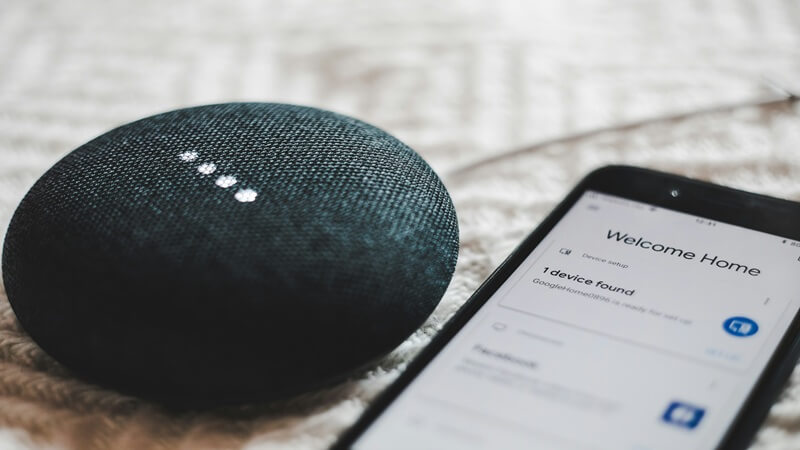
Smart homes have become a home design approach that’s here to stay, with the market expected to be a $630 billion giant by 2032. In these homes, you need specialized appliances that connect across rooms. Modern homes demand systems that talk to each other, and appliances are a part of their structure rather than add-ons. The following guide shares the appliances you need in your smart home.
Climate Control Appliances
Temperature control appliances now operate through centralized wall units rather than individual thermostats. Zoned climate systems divide the home into areas based on use and insulation differences. Heat pumps, air handlers, and ventilation systems rely on sensors placed throughout the home. These sensors track temperature and airflow and relay data back to the control unit.
Kitchen Appliances
Refrigerators, ovens, dishwashers, and cooktops include internal control boards and diagnostic functions. Refrigerators regulate humidity zones to protect product and reduce spoilage while overs store cooking presets and adjust heat distribution across racks. Similarly, dishwashers monitor water usage to adjust cycles based on load size. These appliances need a consistent power supply. Dedicated circuits and surge protection reduce damage during voltage changes.
Lighting Systems With Networked Controls
Smart lighting in modern homes requires networked fixtures that connect through control panels, dimmers, and room controllers. These systems allow different brightness levels across living areas, kitchens, hallways, and bedrooms.
LED fixtures paired with load controllers reduce energy draw while extending bulb life. Outdoor lighting often runs on separate circuits with weather-rated housings and motion response features. Inside the home, layered lighting makes your home cozy by combining overhead fixtures and task lighting.
Home Charging Equipment
Electrical vehicle charging equipment has become standard in many homes. Wall-mounted chargers connect directly to the main electrical panel and often require panel upgrades. Load controllers balance power use during peak hours to avoid tripped breakers.
Indoor and outdoor installations follow different requirements. For example, outdoor units need sealed enclosures and proper drainage. Cable management systems are also needed to prevent wear and keep cords off walkways.
Window Shading and Motorized Coverings
Motorized blinds and shades regulate light and heat without manual adjustment. These appliances connect to wall controllers or centralized hubs. The type of material you use depends on the room, with bedrooms benefiting from blackout fabrics and living rooms relying on filtered light materials.
Power Distribution and Protection Devices
Since smart homes need structured power distribution, surge protectors, load centers, and backup power units are needed to protect appliances from outages and voltage spikes. Important systems like refrigeration, climate equipment, and lighting require prioritized circuits.
A well-planned power layout protects costly equipment and reduces downtime. However, failures are still inevitable at times. When that happens, you need a reliable repair company like this appliance repair Pittsburgh to address the underlying issues without disrupting the entire home.
Endnote
In smart homes, lighting, climate systems, kitchen equipment, charging units, and shading devices place demands on the electrical structure. Good results come from choosing the right equipment and installing it correctly. When there’s a need for service or repairs, it’s imperative to select a provider that specializes in smart home system management to keep connected devices functional over time.