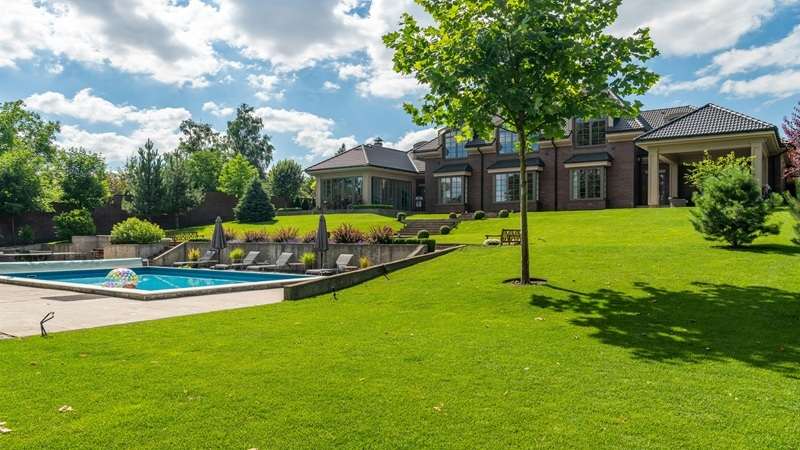
Managing vast garden areas or open lawns around grand estates requires more than just spare hours on the weekend. Regular upkeep, seasonal variation, and scale make daily efforts time-consuming. Whether you oversee this task alone or hire extra help, there’s often a need for dependable tools and smarter ways to stay ahead. Time-saving technology and consistent routines can simplify the process. With the right approach, even large grounds don’t need to feel like a full-time job. Here are some practical ways to manage expansive garden areas with less stress and more consistency:
Understanding the Unique Needs of Large Estate Grounds
Expansive lawns and gardens stretch beyond the reach of basic solutions. Most consumer-grade tools can’t cover ground efficiently or deliver lasting results across wide zones. The scale often includes various elevations, shaded zones, and complex arrangements with hedges, trees, and open fields. These properties demand regular effort, even in sections not always visible from the main building. Using lightweight mowers or small trimmers often leads to incomplete results. Estate grounds need consistency, wide-range coverage, and equipment that can handle multiple terrains without breakdowns. Understanding the full scope of care before starting allows for fewer mistakes later on. With that awareness, it becomes easier to make solid decisions about what gear and plans work best for the size and shape of the land.
Smart Lawn Solutions That Reduce Daily Effort
Traditional mowing doesn’t always work well for broad, open lawns. It takes time, energy, and constant checking to maintain even results. Newer technologies now offer something much more effective. For example, a professional outdoor equipment provider can offer robotic mowing units designed to handle larger properties with ease. These machines operate through virtual boundaries, adapt to specific zones, and move through preset schedules. Their robotic mowers include features like GPS tracking, automatic charging, and height adjustments that keep grass looking fresh without constant manual work. Using autonomous mowers for daily upkeep cuts down on labor and frees up hours each week. For those managing estates with limited staff or time, this equipment gives results that align with higher standards without constant oversight or guesswork.
Creating a Maintenance Schedule That Actually Works
Without a working plan, even advanced tools can fall short. Routines help keep lawns from becoming overgrown and prevent damage to garden beds or flower zones. Set weekly and seasonal goals to stay organized. Weekly tasks could include trimming, light raking, and perimeter checks. Monthly care might involve tool checks and soil condition reviews. Each season brings new concerns: clearing debris in fall, adjusting height in spring, or checking for dryness in summer. Keeping a printed calendar or mobile app log is helpful. Instead of rushing everything at once, break the work into parts and spread them out. You’ll get better results and less stress by doing a little often rather than waiting for things to build up.
Managing Lawn Health Across Large Areas
To keep lawns fresh and even, pay attention to what’s under the grass. Large properties often include a mix of soil types, moisture zones, and foot traffic levels. Look for uneven growth, patchy areas, or dryness. These signs tell you when something’s missing, like nutrients or water. Adding soil conditioners or switching seed blends can help where the grass looks thin. Avoid overwatering, which can lead to moss or weed buildup. On larger land, test different zones separately rather than assuming all areas need the same treatment. Doing so avoids wasting time and resources. It also improves the overall look and feel without doubling your workload.
Irrigation Planning for Expansive Gardens
Watering becomes harder to manage as the property grows. You can’t rely on one sprinkler to cover a five-acre stretch. Divide areas into zones and use equipment that allows remote timing or moisture-based scheduling. Drip lines work better in areas with flowers or groundcover. Sprinklers with timers help keep open lawns green. Newer systems even adjust watering based on local weather. This saves water and helps grass hold up during hot spells. Always double-check pressure levels and look for leaks. Fixing small issues early avoids major disruptions later. Use evening or early morning hours for watering to reduce waste and give roots more time to absorb what they need.
Large lawns and garden areas don’t need to feel like full-time work. With the right tools and a reliable routine, anyone can care for wide grounds without hiring a full team. Robotic and battery-powered options free up time. Seasonal adjustments help handle growth cycles naturally. Instead of chasing perfection, focus on regular actions that keep your outdoor spaces clean and inviting. By managing each part of the process—watering, cutting, feeding—you’ll see better results with less effort. Whether you manage your grounds personally or supervise help, keeping it simple and consistent is the way forward.