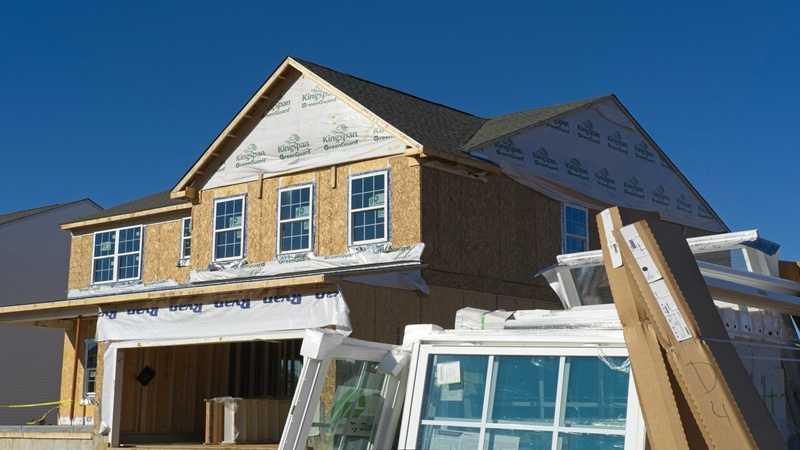
A home may look solid from the outside, yet many forces work quietly beneath the surface that can weaken its structure over time. Walls, floors, and foundations all rely on balance and support that can be disturbed without obvious warning signs. Structural integrity is not only about how a home was built, but also how it responds to natural conditions, daily use, and gradual changes. Understanding these hidden factors can help homeowners recognize risks early and take thoughtful steps to protect their property and the people who live in it.
Soil Movement Beneath the Home
One of the most overlooked influences on a home’s structure is the soil beneath it. Soil is not a fixed surface. It expands when it absorbs moisture and contracts as it dries. This constant movement places pressure on the foundation and can cause shifting over time. Cracks in walls or uneven floors often trace back to this hidden activity below ground.
Changes in drainage patterns around a home can worsen soil movement. When water gathers near the foundation, the soil may soften and lose its ability to support weight evenly. If you notice signs that the foundation is reacting to soil changes, look up Alpha Structural foundation repair to arrange an assessment. Addressing these issues before they turn into serious problems is crucial to avoiding long-term stress on the structure of the home.
Moisture and Water Intrusion
Water is essential for life, but it can be damaging when it reaches places it should not. Moisture that enters a home through small openings can slowly weaken key structural elements. Wood beams may absorb water and lose strength, while metal components may begin to rust.
Poor ventilation can trap moisture inside walls and crawl spaces. Over time, this damp environment can soften materials and reduce their ability to carry weight. Water intrusion often starts quietly, making it easy to miss until visible damage appears. Regular checks for damp smells, peeling paint, or warped surfaces can help reveal hidden moisture problems.
Temperature Changes and Material Stress
Homes are constantly exposed to temperature changes that cause building materials to expand and contract. While this process is natural, repeated cycles can strain connections between materials. Over time, small gaps may form, and joints may weaken.
These changes often happen slowly, making them difficult to notice. Doors may begin to stick, or small cracks may appear around windows. These signs can point to deeper structural stress caused by temperature shifts. Maintaining proper insulation and airflow can help reduce the impact of these changes on the home’s structure.
Aging Building Materials
Every material used in a home has a lifespan. Wood, concrete, and other components naturally wear down as years pass. Even well-built homes experience gradual weakening as materials lose strength and flexibility.
Older homes may also have materials that no longer meet current building practices. While they may have served well in the past, they can become more vulnerable to stress over time. Regular inspections can help identify areas where aging materials may be affecting the overall stability of the home.
Poor Drainage Around the Property
Drainage plays a major role in protecting structural integrity. When water is not directed away from the home, it can collect near the foundation and increase pressure on structural elements. This added stress can lead to shifting and cracking.
Gutters, downspouts, and the slope of the ground all influence how water moves around a home. If these systems are not working properly, water may find its way into areas that are not designed to handle it.
Tree Roots and Vegetation Growth
Plants and trees add beauty to a property, but their roots can pose hidden threats to a home’s structure. As roots grow, they search for water and space. This growth can disturb soil near the foundation and create uneven support.
Large trees planted too close to a home may also draw moisture from the soil, causing it to dry out and shrink. This can increase movement beneath the foundation.
Construction Quality and Past Repairs
The quality of the original construction has a lasting impact on structural integrity. Small mistakes made during building can become larger issues over time. Inadequate support, uneven foundations, or improper material use may not show immediate problems, but they can weaken the structure gradually.
Past repairs also play a role. Temporary fixes or poorly executed work may hide issues rather than resolve them. Understanding the history of repairs in a home can provide valuable insight into potential structural concerns.
The Value of Awareness and Ongoing Care
Structural integrity is shaped by many hidden factors that work quietly over time. Soil movement, moisture, temperature changes, aging materials, and human activity all play a role in how a home holds together. By staying aware of these influences and paying attention to early signs of change, homeowners can take proactive steps to protect their property.
Regular observation, thoughtful maintenance, and timely professional guidance help ensure that a home remains safe and stable. A strong structure supports not only the building itself but also the comfort and peace of mind of those who live within it.